






Everything You Need To Know About Cranberry
Cranberries have long been associated with urinary tract health, but that’s only the beginning for this versatile berry. Market momentum is growing as brands tap into cranberry’s science-backed benefits for urinary health, digestive balance, and even skin wellness.
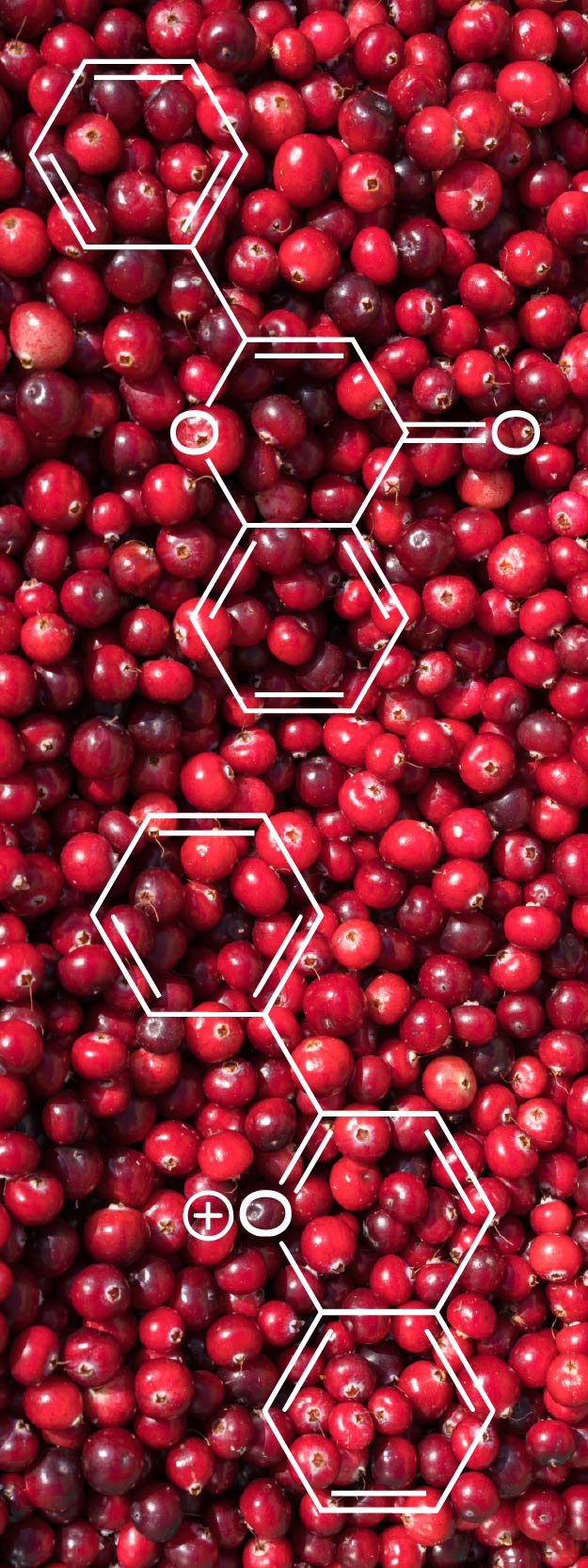
Many of cranberry’s benefits are directly linked to its key bioactives, proanthocyanidins (PACs). However, different analytical methods for testing PACs can produce very different results. To deliver intended benefits and accurate dosing, it’s essential for formulators to understand how PACs are measured and quantified.
Read on for the latest cranberry research and applications, plus a guide to PACs measurement. And don’t forget to RSVP to our 30th Anniversary celebration at SupplySide Global on October 29.
The Latest on Cranberry
✔ Recent clinical trials show cranberry’s unique polyphenols can rapidly boost beneficial gut bacteria, support healthy cholesterol balance, and enhance exercise recovery.
✔ Women’s health research confirms high-PAC cranberry products may help reduce recurrent UTIs and may also benefit the vaginal microbiome—an emerging area of study.
✔ Research continues to explore the unique benefits each part of the whole cranberry offers.
What’s next: Expect to see cranberry in more multi-benefit formulas, new delivery formats, and research exploring its synergy with probiotics and other botanicals.
Why Method Matters
PACs are the bioactives responsible for cranberry’s benefits. But depending on the analytical method, PAC levels can vary widely. To formulate with cranberry, it’s critical to understand how PACs are measured and quantified, paying attention to both the method used and the reference standard within the method.
For example, 36 mg of soluble PACs (as measured by DMAC method and an A2 standard) was determined to be the amount associated with scientifically validated urinary tract health benefits. But this does not mean 36 mg of PACs as measured by ANY method will achieve this same bioactive quantity.
✔ Using a different method like the EP method could result in a 5X increase in the reported amount compared to DMAC.
✔ Using a different reference standard in the DMAC assay can yield 3.5X higher results compared to the A2 standard.
Because of these variations, it’s important to always disclose the method (and standard) used when reporting cranberry proanthocyanidin values. This ensures formulators can accurately dose cranberry ingredients to deliver the intended health benefits.
In Case You Missed It: Meet WholeCran™
WHOLECran™ is a stabilized, free-flowing powder that delivers the complete profile of the whole cranberry fruit, including skin, pulp, seeds, and juice solids. It is free of excipients, carriers, and additives and is standardized to a minimum proanthocyanidin content of NLT 4% via DMAC (CPAC standard) and 1% via DMAC (A2 standard).
WHOLECran™ offers a consistent, clean-label solution ideal for functional foods, beverages and supplements.
Celebrate Our 30th Anniversary at SupplySide Global
We’re raising a glass to 30 incredible years of innovation, partnership, and uncompromising quality at the Artemis International Booth 3145. Join us for a celebratory Wine & Cheese Reception on October 29th from 3:00 – 4:30 PM. RSVP to enter our drawing – we’re giving away all sorts of fun goodies!
We’d love to hear from you! Ask us which ElderCraft® ingredient is right for your product.